


6729 York Rd, Abbottstown, Pennsylvania, 17301
Deal Conditions:
Bridges is available in the Mid-Atlantic Golf Pass and Super Pass
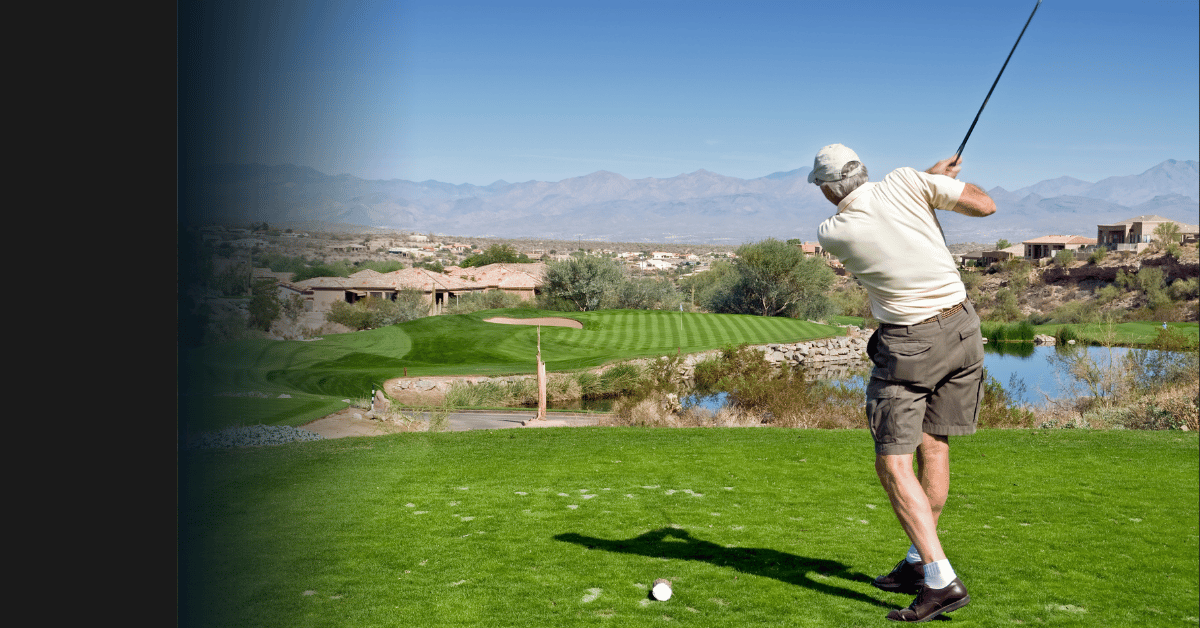
Completely watered bent grass tees, greens and fairways are always finely manicured and open to the public. With four sets of tees, this south central Pennsylvania gem offers a variety of options to all levels of play. The front nine is the more wooded of the two and generally considered the more difficult. It includes the only real forced carry off a tee on the course (No. 2), and a par 4 that sits precariously on a crowned fairway that leaves very little room for error either right or left (410-yard No. 6). The ninth hole, a 430 yard uphiller, to the clubhouse, is a monster, as shown by its No. 1 handicap rating. The back nine is a little more open, with no forced caries. There are times, however, that proper club selection is essential to prevent from landing in one of the environmental hazards or bouncing a PRO V off one of its popular wooden bridges. One of the better holes on the back nine is the 534-yard, par-5 No. 15, which has woods and out of bounds down the right side and an old dead tree about two thirds of the way down the fairway. This turns out to be one of the narrower holes on the back and a challenge trying to navigate your way to the green. The 18th hole parallels No. 9 back to the clubhouse but is a little more generous in that it is a par 5 stretching 540-yards mostly uphill.